Recognizing the Environmental Benefits of Light Weight Aluminum Shop Techniques
Aluminum foundry methods play a necessary duty ahead of time sustainability within the production industry. By carrying out innovative reusing methods and energy-efficient techniques, these techniques considerably reduce waste and carbon footprints. Cutting-edge spreading techniques even more enhance resource conservation efforts. As sectors significantly prioritize ecological duty, recognizing the full effect of these practices ends up being essential. What particular innovations are blazing a trail in this change?
The Function of Light Weight Aluminum in Sustainable Production
Although lots of materials add to lasting manufacturing, aluminum stands apart because of its distinct buildings and recyclability. This light-weight metal is not only sturdy but likewise has excellent rust resistance, making it an excellent choice for various applications, from automobile to building. Its high strength-to-weight proportion results in power savings throughout transportation and use. Furthermore, light weight aluminum can be reused indefinitely without shedding its inherent qualities, advertising a circular economic climate.
The production procedure of light weight aluminum has actually progressed, integrating energy-efficient methods that decrease carbon impacts. By using eco-friendly energy sources, suppliers are progressively reducing the environmental effect connected with light weight aluminum production. Additionally, making use of recycled aluminum needs substantially much less power compared to removing and fine-tuning primary aluminum, bring about reduced greenhouse gas exhausts. As sectors look for lasting options, light weight aluminum's convenience and green characteristics position it as a critical product in the search of greener manufacturing methods.
Advanced Recycling Techniques in Aluminum Foundries
Advanced recycling strategies in light weight aluminum shops are transforming the means scrap aluminum is processed and reused. Innovative techniques, such as closed-loop recycling systems, allow factories to reclaim light weight aluminum from production waste and out-of-date items successfully. These systems reduce material loss and boost the quality of recycled light weight aluminum, making it a practical option to key aluminum manufacturing.
Additionally, advanced sorting innovations, including automated optical sorting and X-ray fluorescence, improve the separation of aluminum from other products, guaranteeing greater purity degrees in recycled outputs. This precision minimizes contamination, which can endanger the integrity of the end product.
The integration of advanced melting modern technologies, such as induction melting and energy-efficient furnaces, enhances the reusing process, reducing energy intake. Collectively, these advancements contribute to a much more sustainable aluminum market by lowering dependence on virgin materials and lowering greenhouse gas exhausts connected with aluminum manufacturing.
Energy Performance Improvements in Factory Operations
Energy performance enhancements in light weight aluminum foundry procedures can considerably boost sustainability practices. Carrying out waste warmth recovery systems allows shops to repurpose excess power, lowering total power usage. In addition, innovations in process automation improve operations, leading to lowered waste and enhanced source use.
Waste Warm Healing
Carrying out waste warmth healing systems in light weight aluminum foundries significantly enhances energy effectiveness by capturing and recycling excess thermal energy created throughout production processes. These systems assist in the conversion of lost warm right into functional power, which can be utilized for numerous applications within the factory, such as pre-heating products or powering tools. By recovering warmth that would certainly otherwise be gotten rid of into the setting, shops can significantly decrease their total power consumption and greenhouse gas discharges. This strategy not just decreases operational costs however additionally promotes sustainable practices within the sector. In addition, the fostering of waste warmth recovery innovations lines up with regulatory requirements targeted at minimizing environmental impact, making it a vital element of contemporary aluminum shop operations.
Refine Automation Advantages
Automating processes in light weight aluminum foundries can significantly enhance power efficiency by maximizing production workflows and decreasing waste. By implementing sophisticated innovations such as robotics and artificial intelligence, shops can streamline procedures, decreasing unnecessary power consumption. Automated systems help with accurate control over temperature and product handling, ensuring that power is utilized just when required. In addition, real-time surveillance permits for immediate changes, decreasing the risk of power loss. The integration of automation not only boosts productivity but likewise decreases operational prices, making foundries a lot more affordable. Consequently, these energy-efficient practices contribute substantially to sustainability goals, reducing the environmental impact of light weight aluminum production while satisfying boosting market demands - aluminum casting. Improved power efficiency through automation stands for an essential action towards greener foundry procedures
Minimizing Waste Through Cutting-edge Casting Methods
Innovative spreading approaches play a vital function in reducing waste in light weight aluminum foundries. Methods such as sophisticated molding and the utilization of recyclable materials considerably reduce production scrap. These methods not only boost efficiency yet additionally add to an extra lasting manufacturing procedure.
Advanced Molding Techniques
As sectors progressively focus on sustainability, progressed molding strategies in aluminum factories become efficient remedies for minimizing waste. These cutting-edge approaches, such as 3D printing and accuracy mold and mildew production, significantly boost the performance of the casting procedure. By utilizing computer-aided layout (CAD) and simulation modern technologies, manufacturers can maximize mold geometry, decreasing product use while keeping product integrity. In addition, progressed strategies allow the production of complicated shapes that typical techniques can not attain, minimizing the demand for added machining and consequently reducing scrap material. check The versatility of these methods permits rapid prototyping, further decreasing preparations and energy intake. In general, the application of innovative molding techniques stands for a vital step toward environmentally liable light weight aluminum manufacturing, straightening with worldwide sustainability goals.
Recyclable Material Use
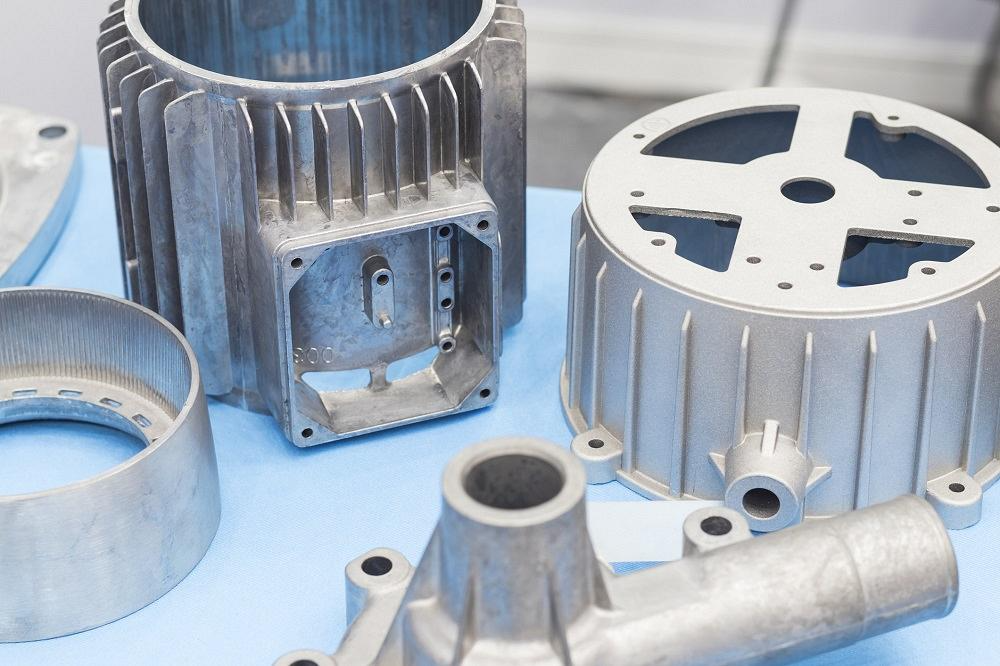
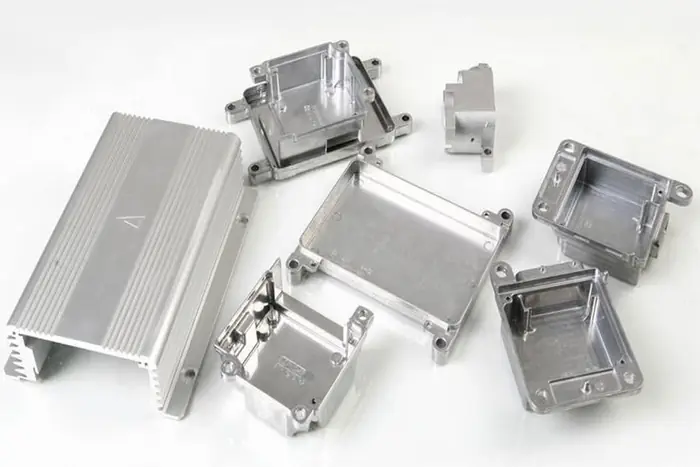
Recyclable products play a pivotal function in lowering waste within light weight aluminum foundries, transforming the casting landscape via their reliable application. By incorporating scrap aluminum and various other recyclable parts right into the production process, foundries can greatly decrease the demand for virgin products. This not just conserves all-natural sources but also lessens energy consumption connected with mining and refining. Ingenious casting approaches, such as die spreading and sand spreading, enable for seamless integration of these products, guaranteeing top notch results. Furthermore, the use of recyclable materials fosters a circular economic situation, where resources are continually recycled and repurposed, lowering land fill payments. Eventually, the critical usage of recyclables improves sustainability while advertising cost-effectiveness in aluminum factory operations.
Decreasing Production Scrap
Life Process Evaluation of Aluminum Products
Light weight aluminum is commonly identified for its long lasting and lightweight residential properties, a comprehensive Life Cycle Evaluation (LCA) exposes the environmental effects connected with its disposal, production, and usage. The LCA procedure takes a look at the energy usage, greenhouse gas discharges, and source deficiency connected to aluminum products from extraction of bauxite ore to end-of-life administration. Key light weight aluminum manufacturing is energy-intensive, typically relying on fossil fuels, which adds considerably to carbon impacts. On the other hand, recycling aluminum provides considerable ecological advantages, as it utilizes just a portion of the energy required for primary production. The recycling process reduces land fill waste and preserves natural sources. The LCA additionally takes into consideration the item's durability and capacity for reuse, highlighting the relevance of lasting style. On the whole, recognizing the life process effects of light weight aluminum items is necessary for making notified decisions that focus on environmental sustainability within the sector.
Situation Studies: Effective Sustainable Practices in the Industry
The aluminum sector has begun to accept innovative sustainable techniques that deal with the ecological difficulties recognized in Life process Analyses. One remarkable case is a leading shop that implemented a closed-loop recycling system, considerably decreasing waste and power consumption. By reusing scrap light weight aluminum in production, the center attained a 40% reduction in its carbon footprint.
An additional example involves a producer that embraced renewable power sources, powering its operations with solar and wind power - aluminum casting. This shift not just decreased greenhouse gas exhausts but additionally enhanced the business's reputation amongst eco aware customers
Additionally, a 3rd foundry has actually spent in sophisticated casting strategies, which optimize material usage and reduce defects, further decreasing resource consumption. These study highlight that the aluminum market can integrating sustainable techniques, showing both ecological obligation and financial stability, ultimately adding to an extra sustainable future.
Regularly Asked Concerns
Just How Does Aluminum Compare to Other Steels in Sustainability?
Light weight aluminum is generally taken into consideration extra sustainable than lots of metals due to its recyclability, lower power needs for production, and minimized ecological impact. Its lifecycle performance surpasses that of steel and copper in different applications.
What Is the Carbon Footprint of Light Weight Aluminum Shop Processes?
The carbon impact of light weight aluminum shop procedures differs, normally ranging from 4 to 15 statistics lots of carbon dioxide per bunch of light weight aluminum generated. Factors affecting this include energy resources, modern technology, and see this site the performance of operations.
Exist Health And Wellness Dangers Related To Aluminum Foundry Workflow?

What Are the Costs Connected With Lasting Aluminum Techniques?
The prices associated with sustainable aluminum strategies include greater preliminary investments in modern technology, prospective rises in operational expenses, and ongoing maintenance. These are often balanced out by lasting savings and minimized ecological influence.
How Does Light Weight Aluminum Recycling Effect Citizen Communities?
Aluminum recycling favorably influences local areas by creating jobs, lowering land fill waste, and decreasing energy prices. It cultivates financial development and promotes ecological stewardship, bring about much healthier living conditions and boosted area interaction in her explanation sustainability initiatives.
Furthermore, the use of recycled aluminum needs considerably less energy compared to extracting and improving key light weight aluminum, leading to reduced greenhouse gas exhausts. Advanced recycling methods in aluminum shops are transforming the method scrap aluminum is refined and recycled. Aluminum Foundry. Executing waste heat recovery systems in aluminum shops considerably boosts power performance by catching and recycling excess thermal energy created throughout production processes. Automating processes in aluminum shops can considerably enhance power effectiveness by optimizing production operations and reducing waste. The carbon impact of light weight aluminum foundry procedures differs, commonly varying from 4 to 15 statistics tons of Carbon dioxide per bunch of aluminum generated